





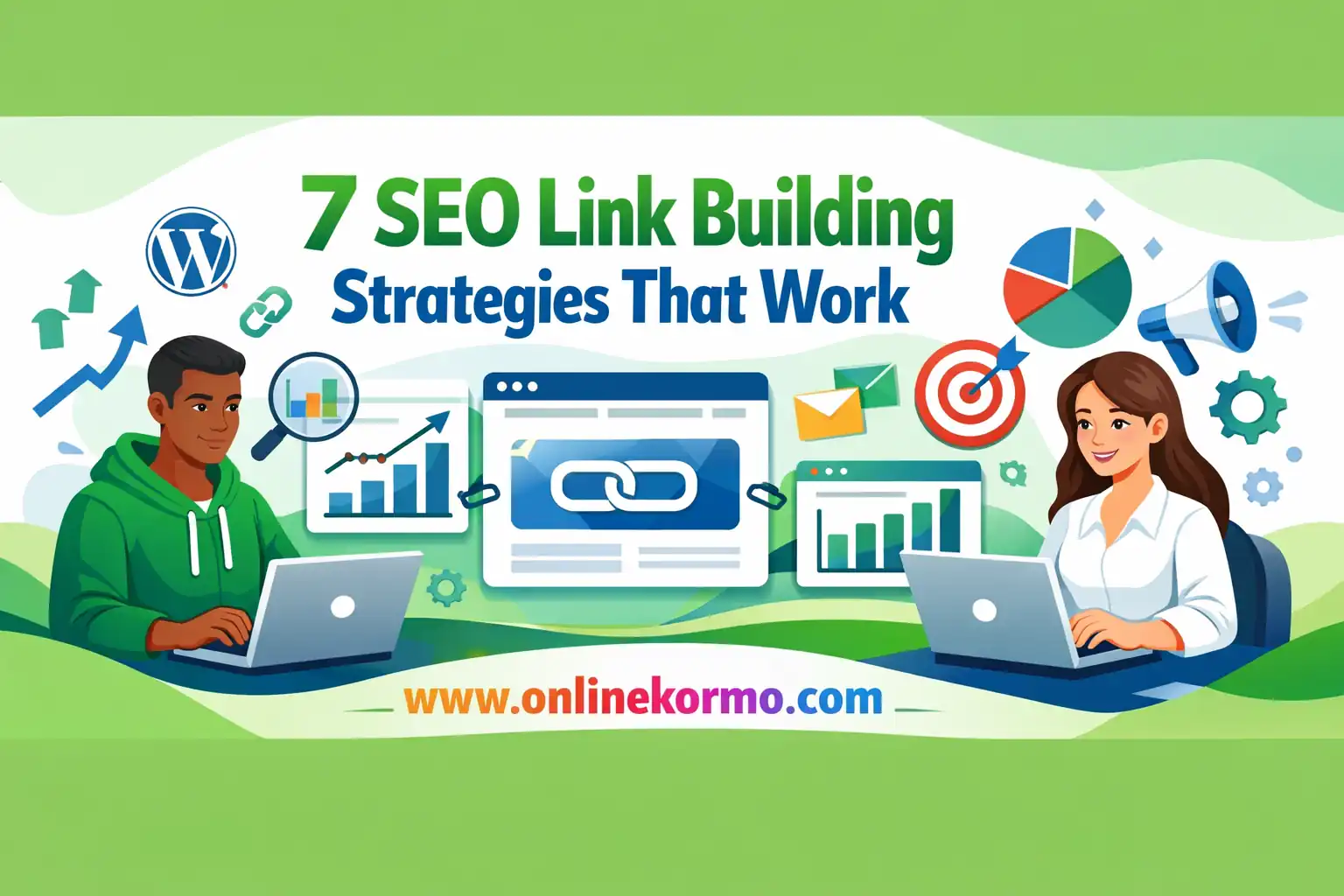

If you’ve been doing SEO for a while, you already know one truth: link building still drives rankings — but only when it’s done the right way.
Google’s algorithm has evolved far beyond counting backlinks. Today, success depends on authority, relevance, and genuine relationships online. Modern SEO focuses on earning links naturally through valuable content and strategic outreach rather than shortcuts or spam tactics.
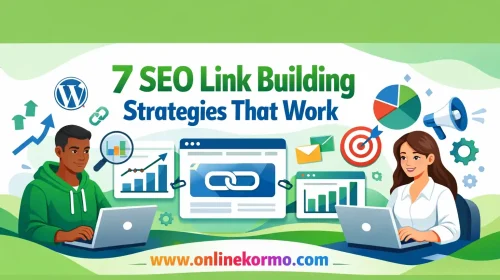
For USA-focused bloggers, marketers, and niche website owners, understanding which link building strategies actually work in 2026 is essential. This guide breaks down seven proven strategies used by real SEO professionals to build authority, grow organic traffic, and future-proof your website.
Table of Contents
- 1.Create Link-Worthy Content Assets
- 2.Strategic Guest Posting on Authority Blogs
- 3.Broken Link Building (White-Hat Classic)
- 4.Digital PR & Journalist Outreach
- 5.Collaboration-Based Link Partnerships
- 6.Resource Page & Internal Linking Strategy
- 7.Relationship-Driven Community Building
- 8.Real-World Examples & Experience Tips
- 9.Conclusion
- 10.FAQ Section
1. Create Link-Worthy Content Assets
The foundation of modern link building isn’t outreach — it’s content that deserves links.
Instead of writing short, generic blog posts, focus on assets that others naturally want to reference. Examples include:
- 1.Original research studies
- 2.Industry statistics
- 3.Ultimate guides
- 4.Free tools or templates
- 5.Case studies with real data
SEO professionals consistently highlight that valuable content assets attract natural backlinks because publishers want to cite useful resources.
USA Blog Tip:
American audiences respond strongly to data-driven content. For example, a “2026 Marketing Trends Report” or “Small Business SEO Case Study” has higher chances of earning organic links from news sites or business blogs.
Real Experience Example
A SaaS blogger published a detailed benchmark report comparing marketing tools. Instead of building links manually, journalists and bloggers began referencing it — resulting in dozens of natural backlinks.
👉 Lesson: Create content people need, not just content people read.
2. Strategic Guest Posting on Authority Blogs
Let’s be clear: guest posting is NOT dead. Spammy guest posting is.
High-quality guest articles on relevant niche sites remain one of the most effective white-hat link building strategies.
How to Do It Right
- 1.Target niche-relevant authority websites
- 2.Write unique, research-backed articles
- 3.Focus on value — not just links
- 4.Limit anchor text optimization
Quality matters more than quantity. One strong guest post can outperform dozens of low-quality placements.
USA Authority Style Tip
Pitch websites with real editorial standards — marketing blogs, tech platforms, startup publications, and business communities.
3. Broken Link Building (White-Hat Classic That Still Works)
Broken link building is one of the oldest strategies — and it still works today.
Here’s how it works:
- 1.Find broken links on niche websites
- 2.Create or use relevant content on your site
- 3.Suggest your content as a replacement
It’s a win-win approach because site owners fix dead links while you gain a backlink.
Practical Example
Imagine a marketing blog has a dead link to an outdated SEO checklist. If you offer a fresh, updated version, the editor is more likely to replace the link with yours.
4. Digital PR & Journalist Outreach
Digital PR is one of the fastest ways to earn high-authority backlinks in competitive US niches.
Instead of traditional outreach emails, you provide:
- 1.Expert quotes
- 2.Data insights
- 3.Industry predictions
- 4.Unique stories
Journalists and media outlets love credible sources, and they often link back to experts they feature.
Why This Works in 2026
Modern link building focuses on authority signals. Media mentions from news sites send strong trust signals to search engines.
Example
A small ecommerce brand shared insights on holiday shopping trends. A major business blog cited the data — giving them a powerful backlink and brand exposure.
5. Collaboration-Based Link Partnerships
One of the biggest trends in link building is collaboration.
Click to learn more about earning online
Instead of cold outreach, marketers build relationships through:
- 1.Podcast guest appearances
- 2.Webinar collaborations
- 3.Expert roundups
- 4.Joint research projects
These partnerships generate contextual backlinks while expanding audience reach.
USA Market Insight
Collaborations are especially powerful in American niches like SaaS, entrepreneurship, fitness, and finance because audiences value community-driven content.
6. Resource Page & Internal Linking Strategy
Resource page link building remains highly effective — especially if you publish helpful guides, tools, or educational resources.
Examples of link-worthy resources:
- 1.Checklists
- 2.Templates
- 3.Free calculators
- 4.Beginner guides
Sites with resource lists actively look for useful content to include, making outreach easier.
Don’t Ignore Internal Linking
Many bloggers chase external backlinks but forget internal links.
Strong internal linking:
- 1.Distributes authority across your website
- 2.Improves SEO structure
- 3.Helps new posts rank faster
7. Relationship-Driven Community Building
The most underrated strategy in modern SEO? Relationships.
Instead of chasing links directly:
- 1.Engage with bloggers in your niche
- 2.Comment on industry content
- 3.Join forums and communities
- 4.Build genuine professional connections
Search engines increasingly reward real-world credibility and authentic collaboration signals.
Real Experience Tip
Many USA bloggers earn backlinks simply because they are known voices in their niche — not because they asked for links.
Click to learn more about digital marketing
Real-World Link Building Experience Tips
From practical SEO campaigns, here are a few lessons that consistently work:
✅ Focus on topical relevance — a smaller niche blog can outperform a massive unrelated site.
✅ Mix anchor text naturally to avoid algorithmic risk.
✅ Avoid link farms or mass directory submissions — they often lead to penalties.
In the USA market, authenticity and authority matter more than raw link volume.
Conclusion
Link building in 2026 isn’t about gaming the system — it’s about building trust.
The seven strategies you learned here work because they align with modern SEO principles:
- 1.Value-driven content
- 2.Real partnerships
- 3.Ethical outreach
- 4.Strong authority signals
If you focus on creating content worth linking to and building genuine relationships within your niche, backlinks will grow naturally — and your organic traffic will follow.
Remember: successful link building is not a one-time campaign. It’s an ongoing authority-building process.
Click here for more details about online business
FAQ Section
1. Is link building still important for SEO in 2026?
Yes. Backlinks remain one of the strongest ranking signals, but quality and relevance matter more than quantity.
2. How many backlinks do I need to rank?
There’s no fixed number. A few high-authority links often outperform dozens of low-quality ones.
3. Are paid backlinks safe?
Most paid link schemes violate search engine guidelines. Focus on editorial, organic links instead.
4. Which link building strategy works best for beginners?
Guest posting and creating link-worthy content assets are the most beginner-friendly approaches.
5. How long does link building take to show results?
Typically 3–6 months depending on competition, niche authority, and content quality.